Dear neighbour,
Throughout January, as the Shadow Minister for Finance I am touring the province listening to people talk about what they want to see in Ontario’s 2026 budget.
At times, it can be a little bit depressing. The need for help and investment is significant. There’s a loneliness epidemic. Our global world order is rapidly changing. Unemployment is rising. Times are tough.
But I have also been struck by the resilience and pragmatism of the presenters. Most come with wise recommendations for how the government can prudently invest to address big social issues.
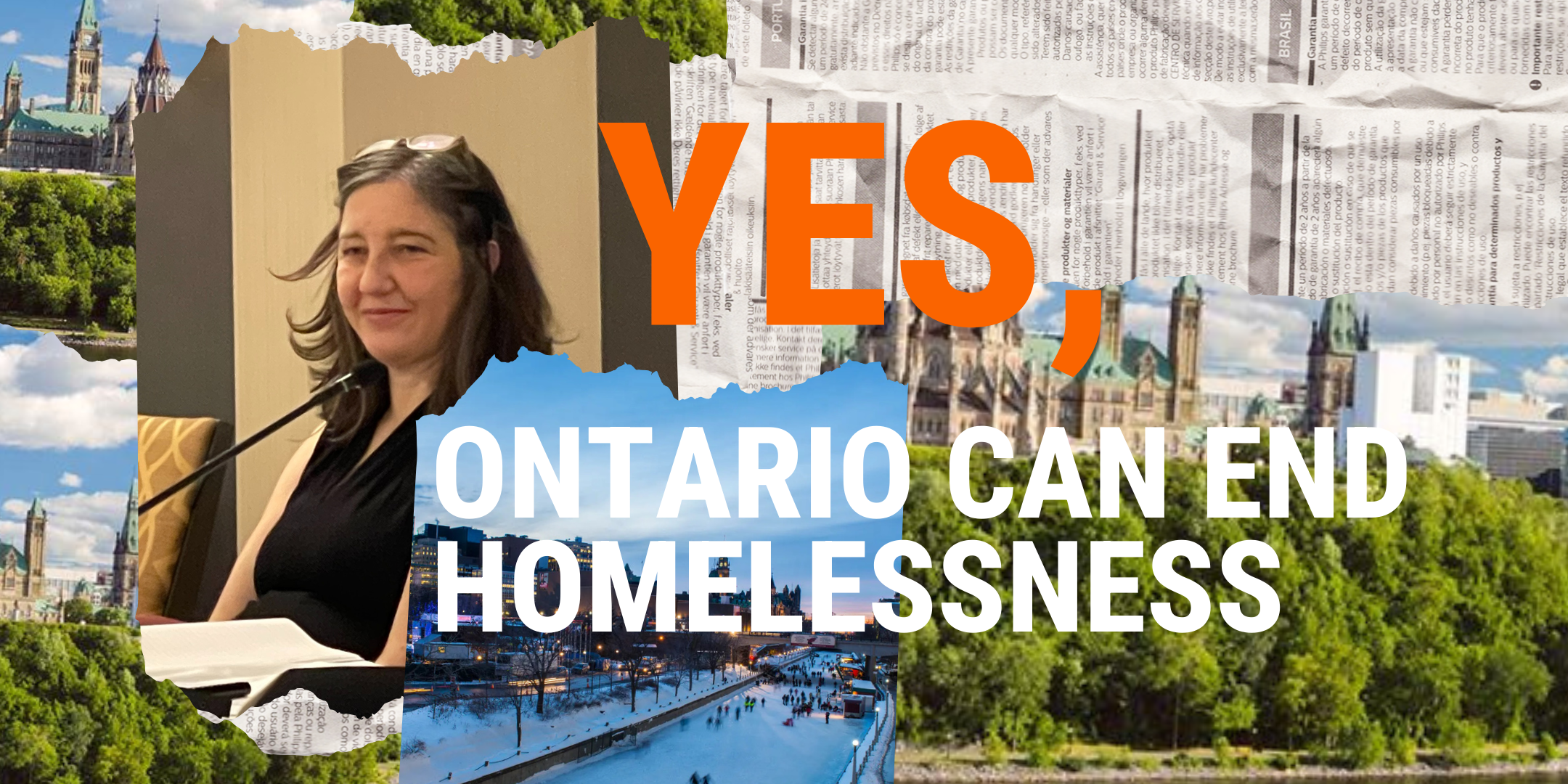
In Ottawa, Kaite Burkholder Harris of the Alliance to End Homelessness gave me a huge dose of hope. She convinced me that yes, Ontario can end homelessness.
Local governments are already showing us it can be done: the Guelph area has reduced youth homelessness by 75%. London, Ontario has effectively ended homelessness among veterans. Houston, Texas has reduced homelessness by two thirds. Milwaukee, Wisconsin has reduced the number of families experiencing homelessness by more than 50%.
Burkholder Harris proposed both modest and bold solutions that Ontario should implement to curb our staggering and still increasing homelessness problem. Here’s just one:
In Ontario, about 580 young adults age out of child welfare and foster care housing at the age of 18. One in four of these young adults ends up homeless within 10 days. It would cost approximately $15 million annually to keep these young people housed and give them a shot at succeeding in life. That’s a wise investment because it stops a pipeline to chronic homelessness.
As I hear from everyone to doctors, to investors, to child care directors and home care professionals, I am humbled by the enormity of the challenges we face, inspired by the work being done, and resolved to getting the practical solutions being presented to us funded in the upcoming provincial budget, so we can make life better for Ontarians.
Sincerely,
Jessica Bell
MPP, University-Rosedale
In this newsletter:
- Renter Forum: February 12
- Concerns raised about possible school closures
- Ontario records second-highest unemployment rate in the country
- Update on recycling collection and missed pickups
- A New Year message from elected TDSB Trustee Deborah Williams
Renter Forum: February 12
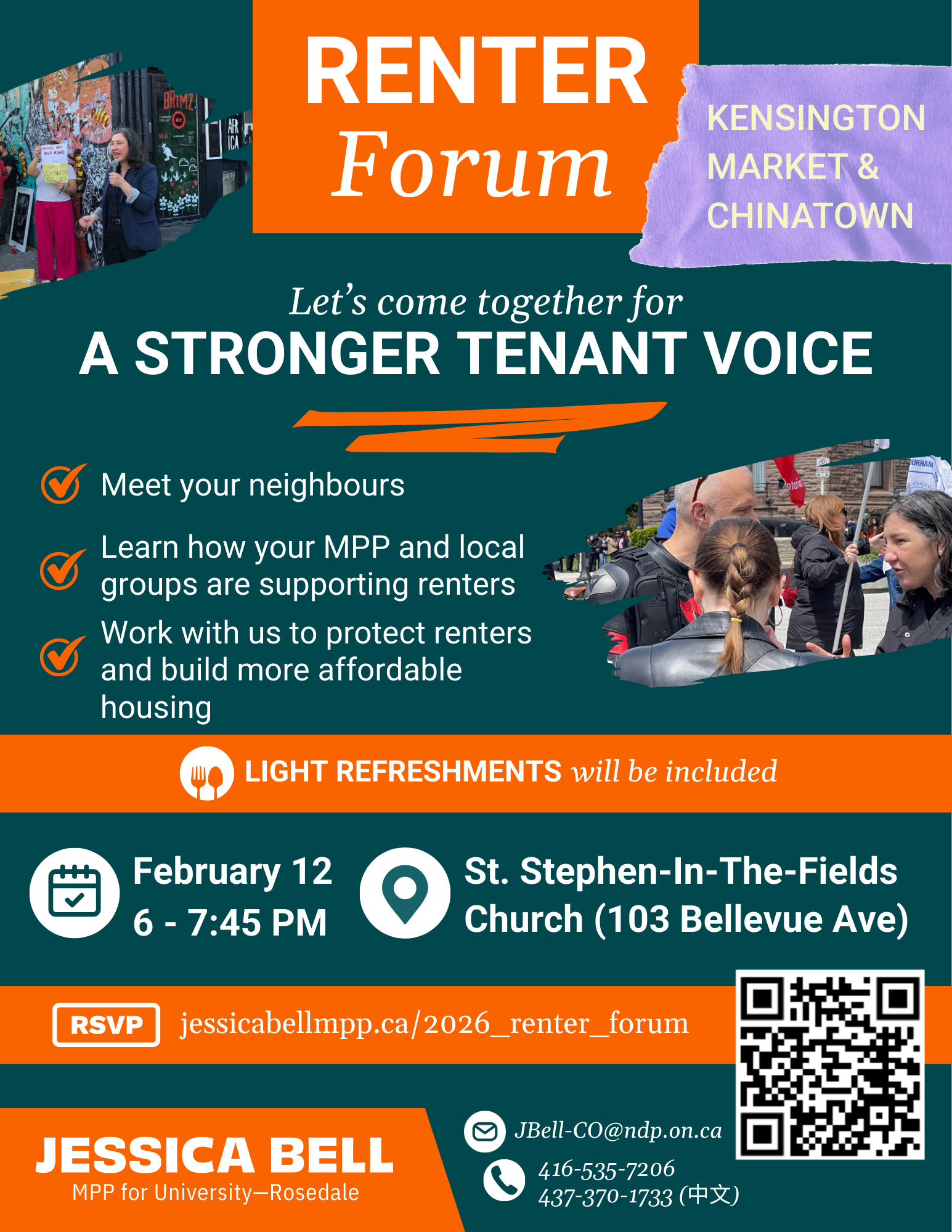
Are you a renter living in the Kensington Market-Chinatown area and looking to build community and push for stronger renter protections?
Join me alongside renters and community groups from across the neighbourhood on February 12 for our Renter Forum, as we come together to share ideas and discuss the issues that renters are facing today in our city.
You'll learn how to better protect your home, deal with your landlord, set up or strengthen a tenant association, and work with me and our team to pass stronger provincial housing laws .
Snacks and light refreshments will be provided. I look forward to seeing you there.
When: Thursday, February 12 at 6PM
Where: St. Stephen-In-The-Fields Church
Concerns raised about possible school closures
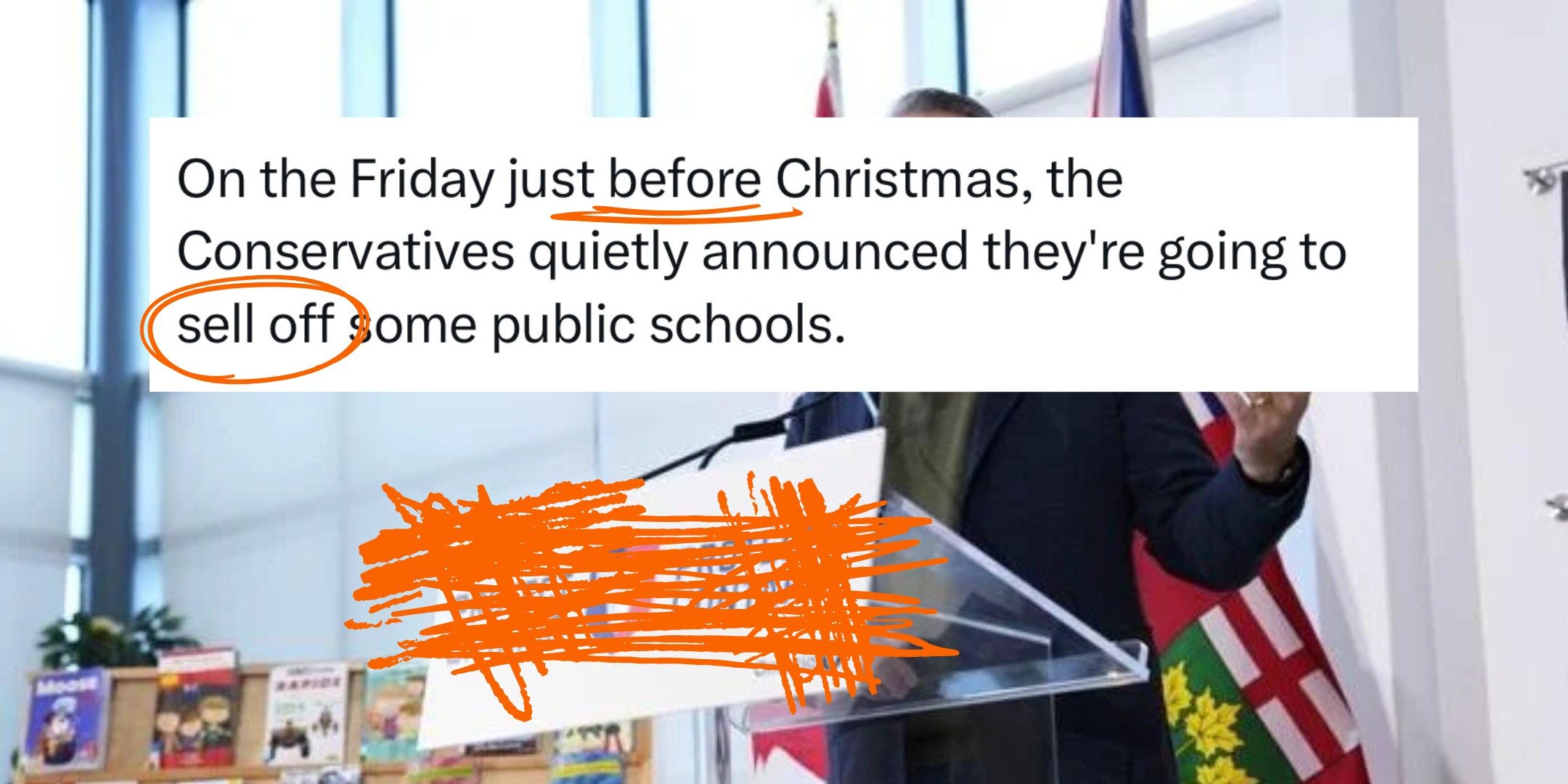
In a December 2025 interview with the Toronto Star, Minister of Education Paul Calandra indicated that provincially supervised school boards, including Toronto’s public and Catholic boards, have been directed to review underused or “surplus” school sites and report back to the Ministry.
While Calandra has stated that rural schools will not be affected, he has not ruled out potential closures in urban boards currently under provincial supervision.
This direction is concerning for families at schools like Heydon Park Secondary School.
Heydon Park Secondary School is a TDSB public high school serving girls, trans and non-binary students with disabilities and significant learning and mental-health needs. In November, parents were notified by the Toronto District School Board that enrolment for both Grade 9 and Grade 10 would be paused for the 2025–26 school year.
Families have since been left without clear information about what this decision means for the school’s long-term future. In light of the Minister’s request to review surplus properties, parents are worried that this enrolment freeze could signal a move toward closure.
Public schools - particularly those that support vulnerable students - should not be quietly closed through administrative decisions. If school properties are no longer needed, they should remain in public use by being transferred to other school boards or community-serving organizations, rather than be sold to private developers.
Ontario should do more to ensure development contributes to the public infrastructure it depends on. Other provinces, such as British Columbia, use tools like School Site Acquisition Charges to require developers to contribute to building schools in growing neighbourhoods.
In California, school districts are permitted to levy developer impact fees to help fund the construction or repair of schools. We need similar tools here in Ontario, so that growing neighborhoods contribute directly to the public school capacity they require.
Families deserve clear answers, meaningful consultation, and a public plan for the future of Heydon Park and other schools potentially affected by these changes.
Ontario records second-highest unemployment rate in the country
On January 9, Statistics Canada released the Labour Force Survey for December, reporting that Ontario now has the second-highest unemployment rate in the country. The data shows job losses across several sectors, including construction, at a time when Ontario faces urgent needs for new housing, schools, and health care facilities.
As Ontario’s Shadow Minister for Finance and the Treasury Board, I am concerned that these figures reflect a growing gap between the government’s economic messaging and the reality many workers are facing.
The unemployment rate does not fully capture the scale of the problem, as many Ontarians are underemployed, working precarious jobs, or have stopped looking for work altogether.
Ontario needs a clear and effective plan to reduce unemployment. That must include sustained investment in public infrastructure, targeted support for small businesses, and measures to strengthen key industries such as electric vehicle manufacturing.
Stable employment is essential for people to manage rising living costs and plan for the future, and job creation must be treated as a core government responsibility.
Update on recycling collection and missed pickups
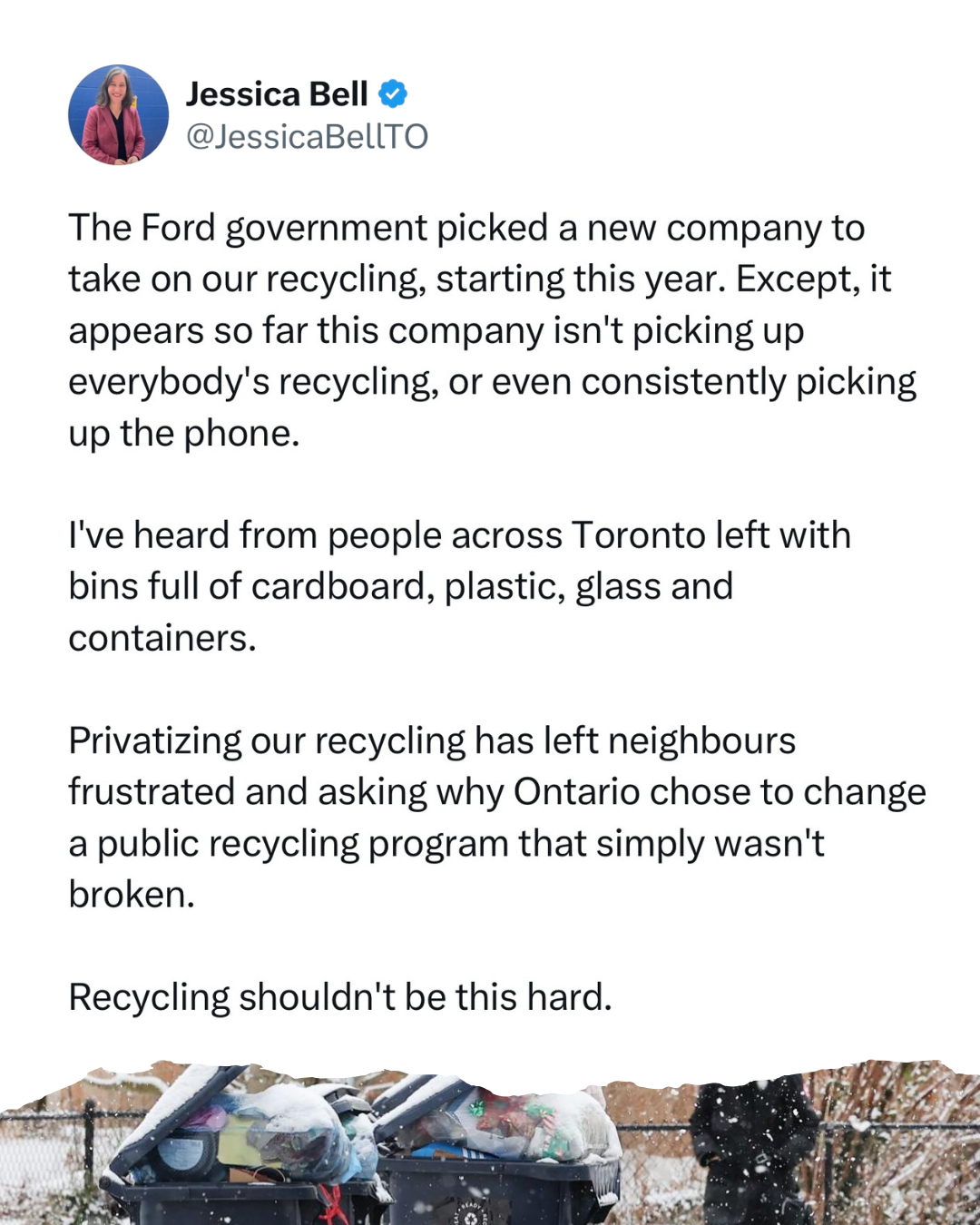
Beginning January 1, 2026, the City of Toronto is no longer be responsible for collecting residential recycling. Under a province-wide change, recycling collection and related services have been transferred to a new service provider, Circular Materials.
Since this transition began, my office has heard from many constituents reporting missed recycling pickups, inconsistent service, and difficulty reaching the new provider for assistance.
Residents have contacted us after being left with bins full of cardboard, plastic, glass, and containers for extended periods of time. These disruptions have caused understandable frustration and raised questions about why a publicly delivered recycling system that was working was replaced.
Recycling should be straightforward, dependable, and accessible for everyone.
I have contacted Circular Materials directly to demand a consistent and reliable level of service for residents.
I have also written to the Ontario Ministry of the Environment, Conservation and Parks to request stronger enforcement of service standards.
Specifically, I have asked the Ministry to require a 24/7 customer service phone line so residents can reliably report issues, and to ensure recycling is collected promptly and in line with the City of Toronto’s published collection schedule.
If your recycling has not been collected or you are experiencing ongoing service issues, you can contact Circular Materials directly through their customer service portal at: circularmaterials.ca
You can also reach out to my office at [email protected] or 416 536 7206 and we will forward your address and concern directly to Circular Materials to support follow-up and resolution.
A New Year message from elected TDSB Trustee Deborah Williams
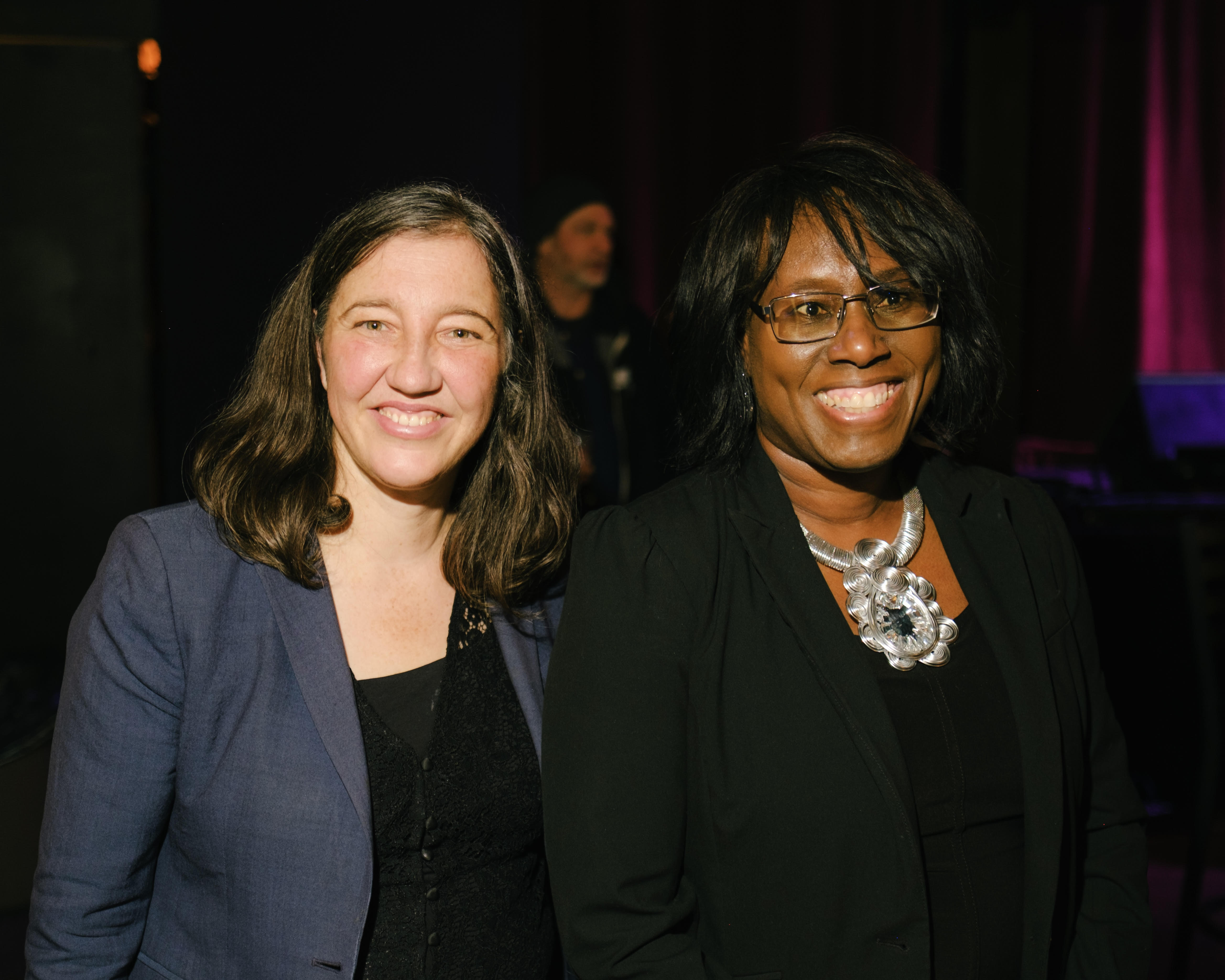
I am pleased to pass along the message below from Deborah Williams, the democratically elected TDSB Trustee for Ward 10 - University-Rosedale and Toronto Centre.
Happy New Year! Wishing everyone a joyful and hopeful start to 2026. Even in moments when governments fuel despair, we have the power to choose hope instead. Together, we can reject fear and division, lift one another up, and ensure that the most vulnerable among us are never left behind.
Ontario families deserve responsible leadership - not taxpayer funded ads that scapegoat trustees while our schools face chronic underfunding, rising needs, and classrooms stretched to the limit.
Tax dollars should support students, not government messaging that undermines confidence in public education or the people who keep schools running.
Many of Ontario’s strongest education policies began with local trustees and were later adopted province‑wide (including full‑day kindergarten, child care in schools, safe schools reforms, mental health frameworks, concussion protocols, codes of conduct, ombudsman oversight, Indigenous education, and student trustees).
As we look ahead, our public education system continues to face real pressures. Since 2018, Ontario schools have been underfunded by $6.35 billion, leaving many boards in deficit, facing rising costs, growing student needs, and major special education shortfalls.
Families, educators, and community members across the province are speaking up and your voices matter.
This month, there are important opportunities for the public to be heard. I encourage all community members (including school councils, parents, caregivers, and residents) to share these consultations widely and to take part.
Ontario 2026 Pre‑Budget Consultations: The Standing Committee on Finance and Economic Affairs will meet to conduct 2026 Pre-Budget Consultations. Written submissions due before January 29, 2026 at 6PM (EST). See more information here.
Ontario Survey - 2026 Budget Consultations: We want to hear from you! Tell us how Ontario’s next budget can help support your family, business or community. Closing date: January 30, 2026 at 4PM. See the link to the survey here.
Proposal for regulations under the Education Act, related to school boards and local police services. Comments for this regulatory proposal are due by February 2, 2026 here.
Research shows that schools are safest when we focus on student well‑being, not policing. That means investing in mental‑health supports, social workers, child and youth workers, and restorative practices as the foundation of safety. Police should only be involved in clearly defined situations, with strong human rights protections to prevent disproportionate impacts on marginalized students.
Any provincial regulations must ensure transparency, accountability, and meaningful student voice - always keeping educational and well‑being goals at the centre of decision‑making.
Local democracy matters.
These consultations are an opportunity for all of us to advocate for strong, well‑funded public schools. I am asking you to stay engaged. Share information with neighbours.
Every action - big or small - helps build the momentum we need.
Call to Action
You can call and email Premier Doug Ford at 416-325-1941, [email protected] and Education Minister Paul Calandra at 416-325-2600, [email protected] to demand they:
- Fund our public schools
- Fund education to match inflation
- Fully fund special education and student supports
- Repeal Bill 33
Thank you for everything you do to support our schools and our neighbourhoods. When we act together, we build a more caring, inclusive, and hopeful future.
Best Regards,
Deborah Williams
Elected Trustee, TDSB Ward 10 - University-Rosedale and Toronto Centre (*June 27, 2025 TDSB under supervision of the Ministry of Education)
During the TDSB supervision period, Deborah Williams can be reached at: [email protected]
Sign up for Deborah Williams' Updates and Advocacy