
Dear Neighbour,
While it’s been a hard week in the legislature, with the passage of bills that hurt renters and our public school system, I’m going to start with some good news.
On Thursday, November 20, the Ford government tabled Bill 72, the Buy Ontario Act. This bill gives cabinet new powers to issue procurement directives requiring the broader public sector to prioritize Ontario-made and Canadian-made goods and services.
We have been demanding the government to strengthen its Buy Ontario, Buy Canada procurement rules to give Ontario and Canadian companies preference for government contracts since the Trump trade war began.
We actually introduced a Buy Ontario First motion calling for a stringent Buy Ontario, Buy Canada procurement policy that applies to the provincial government, municipalities, hospitals, schools, and other public sector organizations on October 27, 2025.
We’ll be carefully reviewing the details of the law and any new regulations to make sure the government is serious about closing the massive loopholes in its existing procurement rules.
The loopholes are currently so large that we have foreign companies bidding and winning contracts to supply steel, manage employment service providers, and build public hospitals and public transit, while qualified and competitive local businesses are missing out.
With over 700,000 people looking for work, Ontario must do everything in its power to leverage the $30 billion a year it spends to keep Canadian and Ontarian businesses operating and protect and create Ontario jobs.
Sincerely,

Jessica Bell
MPP, University-Rosedale
In this newsletter:
- Pre-Budget Consultations — here’s how to get involved
- Bill 33 has passed and it’s a major step back for education
- Anti-renter Bill 60 is going to a final vote on Monday
- Hydro costs are going up, but you won’t know about it
- Ontario commits to a Beneficial Ownership Registry
- It’s time to fix Ontario’s Freedom of Information Rules
- We can’t ignore the threat of urban wildfires any longer
- Here’s what happened at our Seniors Townhall
- Public panel on Toronto’s Renovictions Bylaw
Pre-Budget Consultations — here’s how to get involved
The province is launching its annual pre-budget consultations. This is one of the most important opportunities for you to speak directly to MPPs about what should be in next year’s budget. As our party’s finance critic, it’s my job to attend these meetings and craft our response to the government’s budget.

Consultation dates and locations:
- Toronto - December 4, 2025
- Peterborough - December 5, 2025
- Brockville - January 13, 2026
- Ottawa - Wednesday, January 14, 2026
- Pembroke - January 15, 2026
- Kitchener - January 20, 2026
- London - January 21, 2026
- Niagara Falls - January 22, 2026
- Kapuskasing - January 27, 2026
- Thunder Bay - January 28, 2026
- Sudbury - January 29, 2026
Deadlines to request to speak or send written comments:
- November 24, 2025 at 12PM (EST) - Toronto, Peterborough
- January 5, 2026 at 12PM (EST) - Brockville, Ottawa and Pembroke
- January 12, 2026 at 12PM (EST) - Kitchener, London and Niagara Falls
- January 19, 2026 at 12PM (EST) - Kapuskasing, Thunder Bay and Sudbury
- January 29, 2026 at 6PM (EST) - Final deadline for written submissions
You can sign up to speak in person or virtually, or submit written comments, through the Legislature’s committee portal here.
When applying, please select “2026 Pre-Budget Consultations” as the item you wish to address.
Bill 33 has passed and it’s a major step back for education
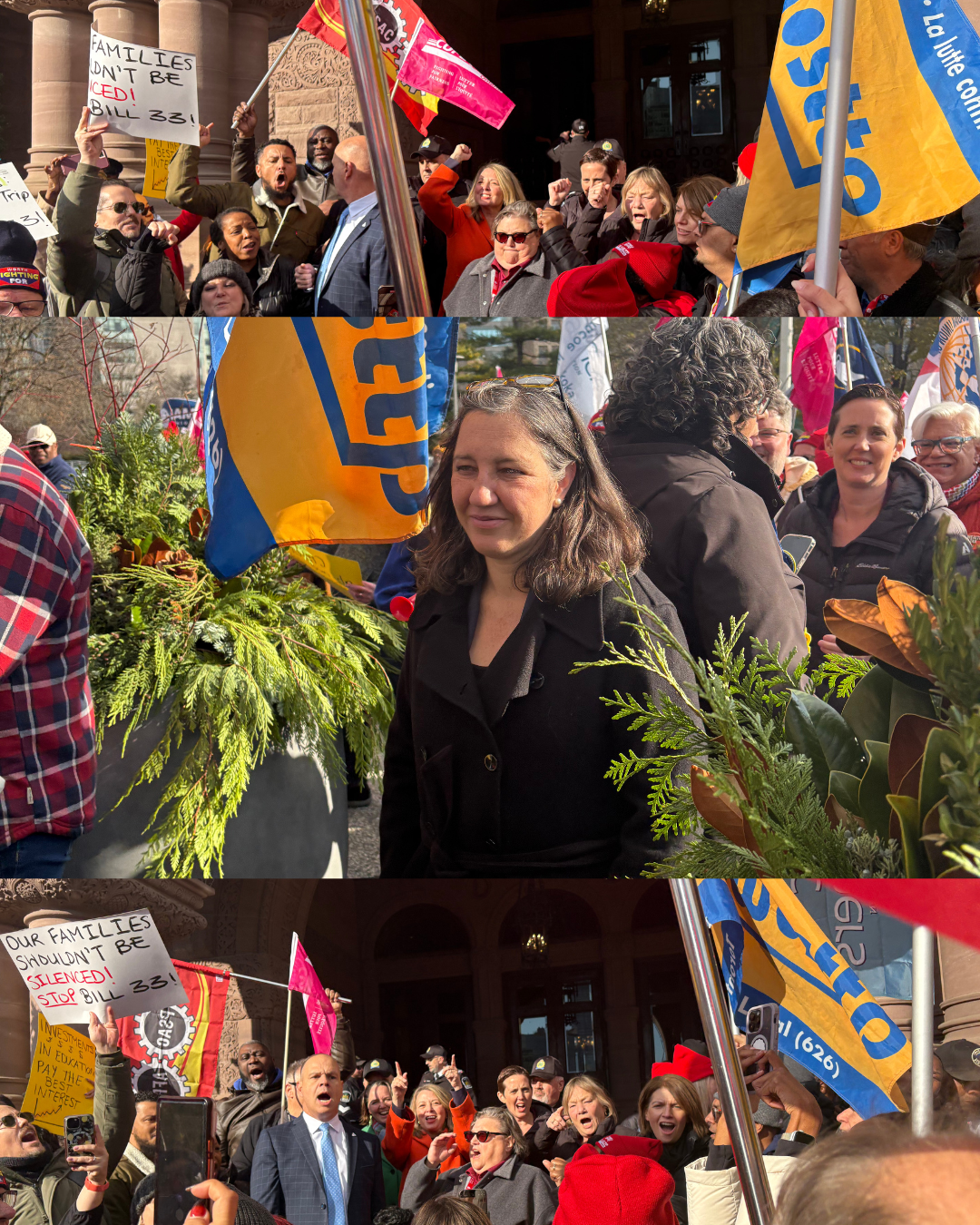
On Wednesday, November 19, the Ford government cheered as it pushed Bill 33, the Supporting Children and Students Act, into law.
Students, educators, and people across Ontario fought hard against this bill. Thousands signed petitions, wrote emails, organized protests, and spoke out. Hundreds of workers stood outside Queen’s Park to protest as the bill was passed into law. The government proceeded anyway.
Bill 33 gives the Minister of Education sweeping new powers to take over school boards, replace democratically elected trustees with handpicked supervisors, and order the sale of public school land. In Toronto, the new supervisor earns $350,000 a year, has no education experience, and does not consistently respond to emails or calls. This isn’t an improvement.
Bill 33 also brings back a modification of the Student Choice Initiative which gives the Minister control over which student union fees are mandatory or optional. That threatens the campus services students rely on, from food banks and legal clinics to peer mental health supports and campus media, and it creates unstable year-to-year budgets for student unions.
Bill 33 does not fix the chronic underfunding of public schools and Ontario’s post-secondary education system. Chronic underfunding is the driver for large class sizes, increased violence in schools, teacher shortages, worker layoffs, and program, department and campus closures.
Anti-renter Bill 60 is going to a final vote on Monday
On Thursday, November 20, the Ford government forced Bill 60, the Fighting Delays, Building Faster Act, into its final debate, shutting out the public and skipping the usual committee process.
This is a massive omnibus bill with more than 40 changes across housing, transportation, and environmental rules. In short, the bill is going to make it easier for landlords to evict tenants, and harder for cities to go green.
Here is what the bill does:
- Cuts the time tenants have to pay rent arrears from 14 days to 7.
- Allows the government to define “persistent” late payment, opening the door to more evictions.
- Forces tenants to pay 50 percent of alleged arrears upfront before they can raise maintenance or safety issues at a hearing.
- Eliminates one-month compensation for “landlord’s own use” evictions when 120 days’ notice is given.
- Expands sheriff resources to speed up evictions.
- Opens the door to a tenant “blacklist” through a public LTB decision database.
- Removes Toronto’s authority to enforce its green roof bylaw.
- Bans municipalities from reducing any motor vehicle lanes for new bike lanes or other purposes (to be defined by regulation)
- Allows the province to create new “water corporations” to run local drinking water and wastewater systems.
On Monday, November 17 our office hosted a packed Bill 60 townhall with Jamie Graham from the York South–Weston Tenant Union and Climate Justice Toronto, alongside Michael Longfield from Cycle Toronto and Yaroslava Avila Montenegro from the Federation of Metro Tenants' Association to break down exactly what this bill will mean for our community. We also shared practical tools to help people take action and organize in their buildings and neighbourhoods.
In case you missed it, catch the details here.
Bill 60 is expected to go to a final vote on Monday, November 24. You can add your voice to Stop Bill 60 here.
As part of this growing fight, tenants, housing advocates, food banks and community groups from across Ontario will be marching to Queen’s Park this Saturday for a National Housing Day rally against Bill 60. I encourage you to join.
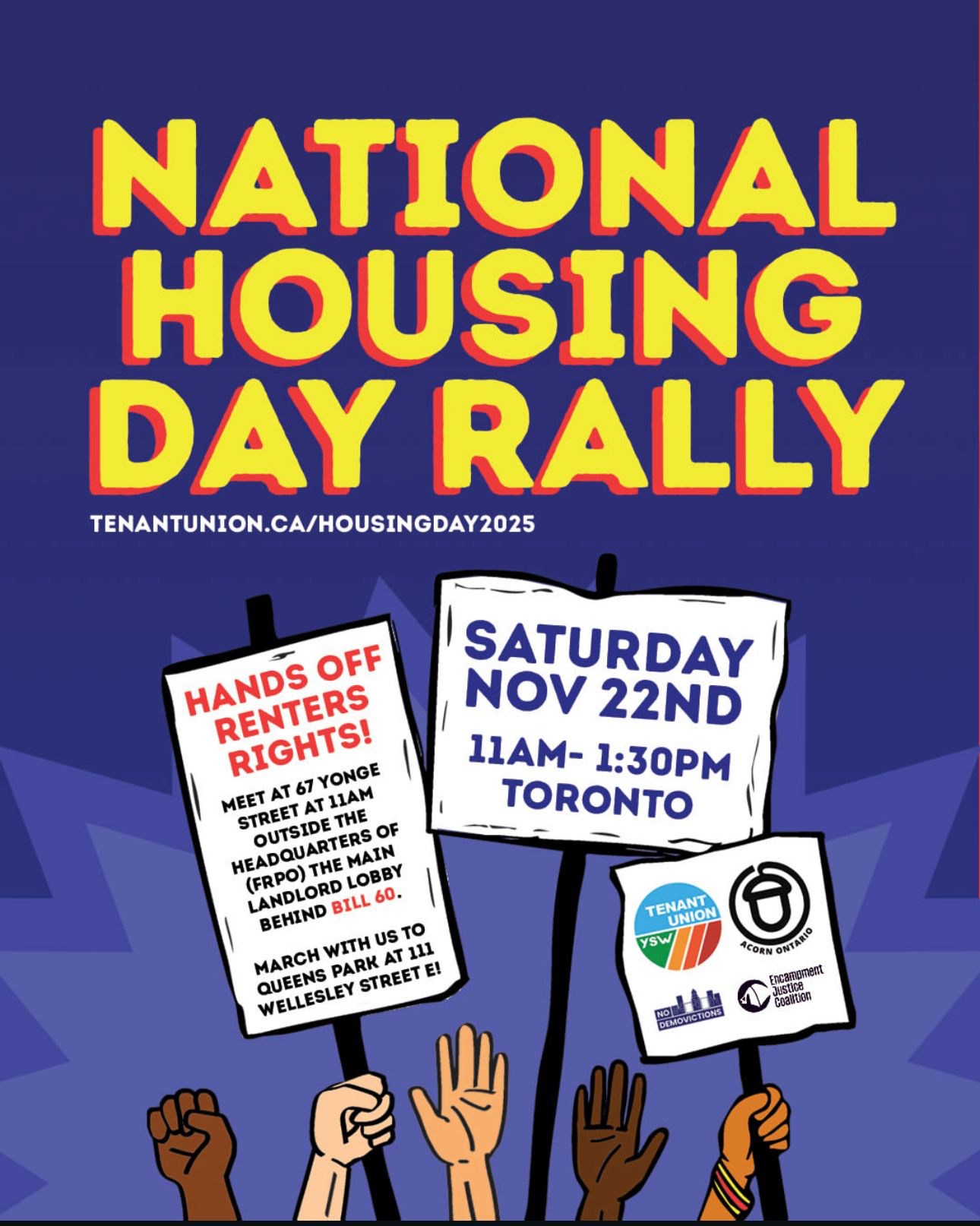
Saturday, November 22, 2025
11:00 am Meet at 67 Yonge Street
11:30 am to 12:30 pm March to Queen’s Park
12:30 pm to 1:30 pm Rally at Queen’s Park
More details here.
Hydro costs are going up, but you won’t know about it
As of November 1st, the cost of hydro is going up by 29%. Because of the multi-billion dollar subsidy program in effect ordinary households will not see that increase. However, it will mean less budget money available for housing, education or healthcare.
The explanation given for the increase was sketchy, higher costs for nuclear generation and for energy conservation were cited with no details. On a brighter note, one of the background documents on the increase noted that solar and wind generation drive down the cost of electricity in Ontario.
Ontario commits to an Beneficial Ownership Registry

On November 6, the Ford government announced in the Fall Economic Statement that it will be moving ahead with a beneficial ownership registry, with plans to launch by 2027. This is good news.
For years, anti-corruption experts have warned that anonymous numbered companies have made Ontario a hotspot for money laundering, tax evasion and housing speculation, which drives up housing prices. When owners can hide behind numbered corporations, it becomes harder to track shady real estate deals or understand who is snapping up homes and land.
We introduced a public ownership registry bill at Queen’s Park in 2022. Quebec already has a fully public beneficial ownership registry, and British Columbia has passed amendments to make beneficial ownership information publicly searchable.
That said, we are worried the registry might fall short. The government is proposing that corporations will have to submit ownership information online, but only the government, law enforcement, tax authorities and regulators will be able to access it. The public will not have access to the information.
To fully crack down on money laundering, fraud and tax evasion, the registry should be a public, searchable registry.
It’s time to fix Ontario’s Freedom of Information rules
Freedom of information laws (FOI) exist so people can access records from public institutions. These laws are a basic check on government power. The information belongs to the public, and for a healthy democracy, Ontarians need a system that works.
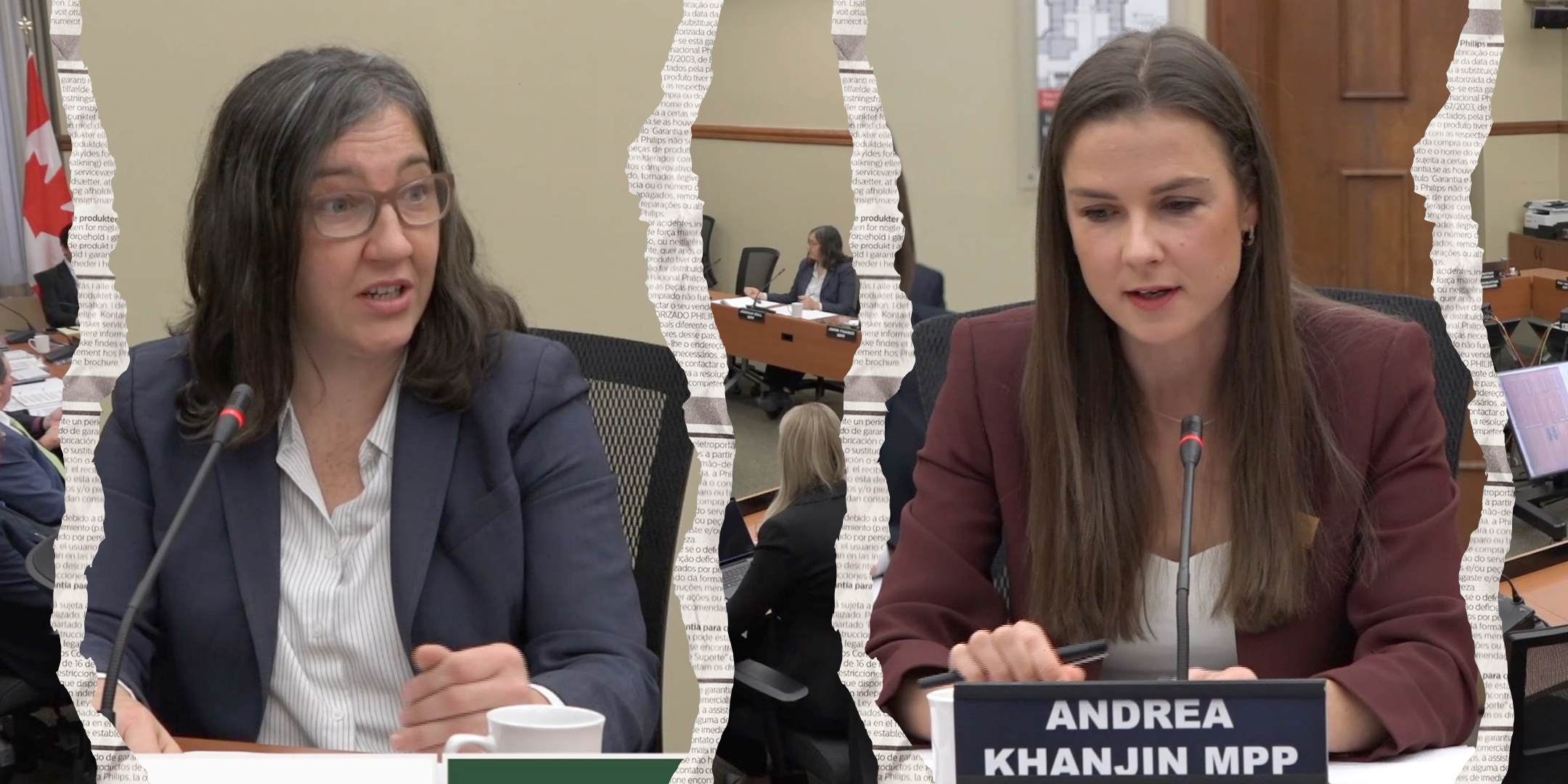
Last week in an Estimates hearing, I asked the Minister for Red Tape Reduction Andrea Khanjin about the government’s handling of FOI requests. The answers were vague and incomplete. The government claims that 95 percent of FOI requests are completed within the 30-day legislative timeline. But that number simply doesn’t match what reporters have found.
A 2023 Globe and Mail investigation showed that the average FOI response time in Ontario was 122 days. It also found that 64 percent of requests took longer than the 30 days required by law — the opposite of what the government reported. Only 34 percent of applicants received full access to the records they requested, while 33 percent received partial access, 24 percent received no documents at all, and 3 percent were denied outright.
Democracy isn’t served if the government responds quickly but refuses to release information the public is entitled to see. These numbers make it clear. Ontario’s FOI system is flawed and needs real reform.
If you’ve experienced issues with FOI requests, I want to hear from you. Please reach out to my office at [email protected].
We can’t ignore the threat of urban wildfire any longer
On Thursday, November 20, my colleague MPP Peter Tabuns announced his plan to bring forward the Protecting Ontario from Urban Wildfires Act. I am a co-sponsor of this bill.
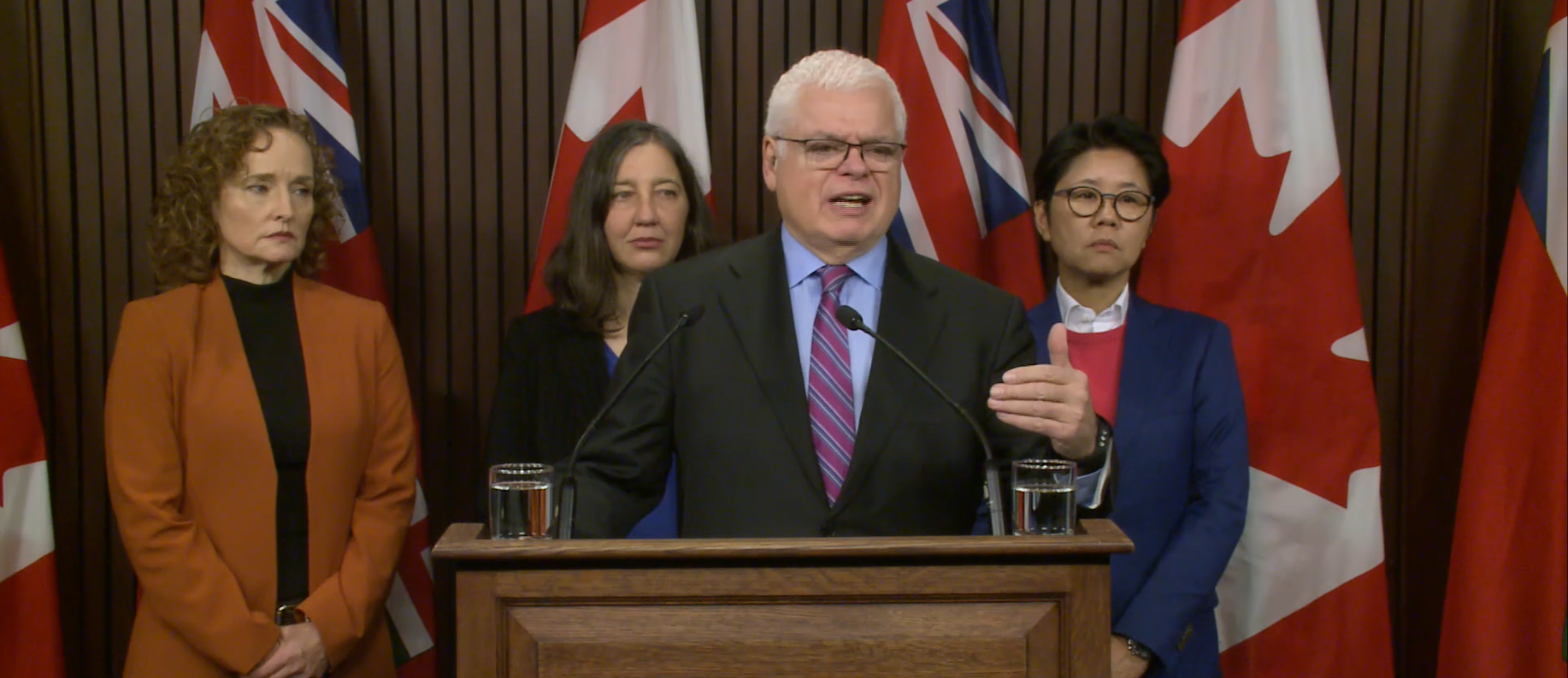
This bill would finally require the province to assess the growing risk of urban wildfires and develop a real strategy to prevent and respond to them. Right now, Ontario has no dedicated plan, even as climate-driven fires increasingly reach urban areas. We saw it in Halifax and St. John this summer, and cities like Los Angeles have shown how fast and destructive these fires can become when systems are not prepared.
The need for action is even more urgent because the Ford government has abandoned its plan to cut greenhouse gas emissions. The Fall Economic Statement enshrines that abandonment into law, leaving Ontario without a single requirement to reduce emissions or prepare for the climate crisis. If the Conservatives refuse to cut emissions, the least they can do is ensure Ontario is protected from the consequences.
This legislation begins that work. Assess wildfire risk in cities. Strengthen prevention. Improve our ability to respond. Support communities as they recover. This is responsible climate adaptation. Bills like this are how we protect people and prepare for our uncertain future.
Here’s what happened at our Seniors Townhall
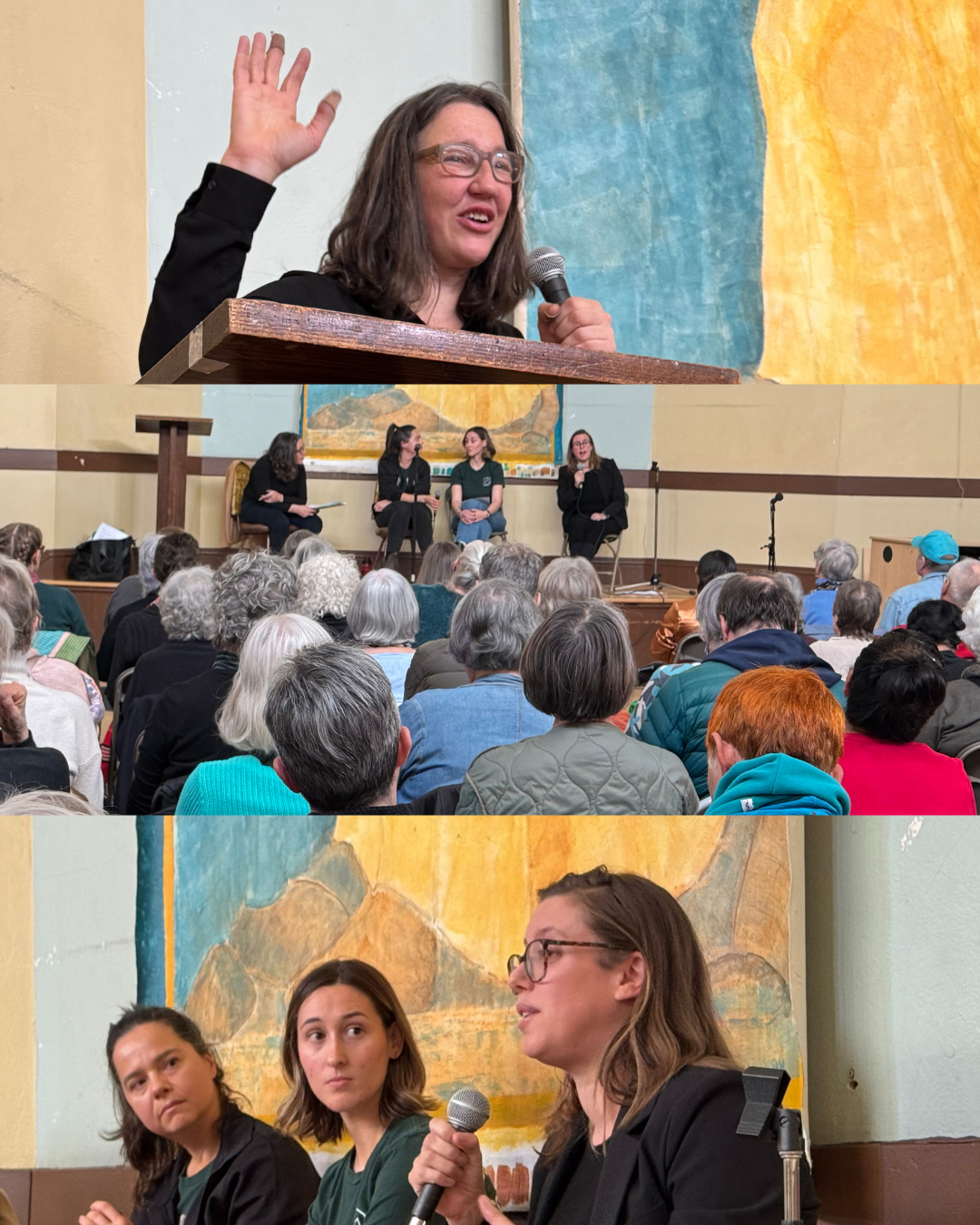
On Friday, November 14, I hosted our Seniors Townhall on building supportive communities that help older adults live and age well in their own homes.
I was joined by Kathrin Brunner and Rachelle Patille from the UHN NORC Innovation Centre, and Becca Buttigieg from The Second Mile Club, for a fruitful discussion about Naturally Occurring Retirement Communities (NORCs) and how this model can support seniors across University–Rosedale.
We explored how we can bring services and programming directly into the buildings and neighbourhoods where seniors already live—helping people stay connected, supported, and independent for as long as possible. We also highlighted local resources you can access right now, and answered your questions about what’s working, what’s missing, and what needs to change so people can age with dignity, choice, and community.
If you’d like to share your feedback on how we can support older adults, please contact us at [email protected].
If you and your neighbours want to start a NORC group and would like some support, you can contact the UHN NORC Innovation Centre or join their virtual NORC Talks on December 11, at 1pm. sign up on their website.
You can also download our 2025 Seniors Guide to find more information about local senior services here in University-Rosedale.
Public panel on Toronto’s Renovictions Bylaw
As part of National Housing Week, the City of Toronto is hosting a public panel on the development of its new Renovictions Bylaw, a tool designed to crack down on bad-faith evictions. The event will also look at how the province’s proposed changes in Bill 60 could weaken protections for renters.
Date: November 25, 2025
Time: 6:00 to 7:30 pm
Location: YWCA Toronto, 87 Elm Street
Speakers include experts from the Federation of Metro Tenants’ Associations, Toronto Building, Toronto Metropolitan University, the Canadian Centre for Housing Rights, and Don Valley Community Legal Services.
You can register here.